

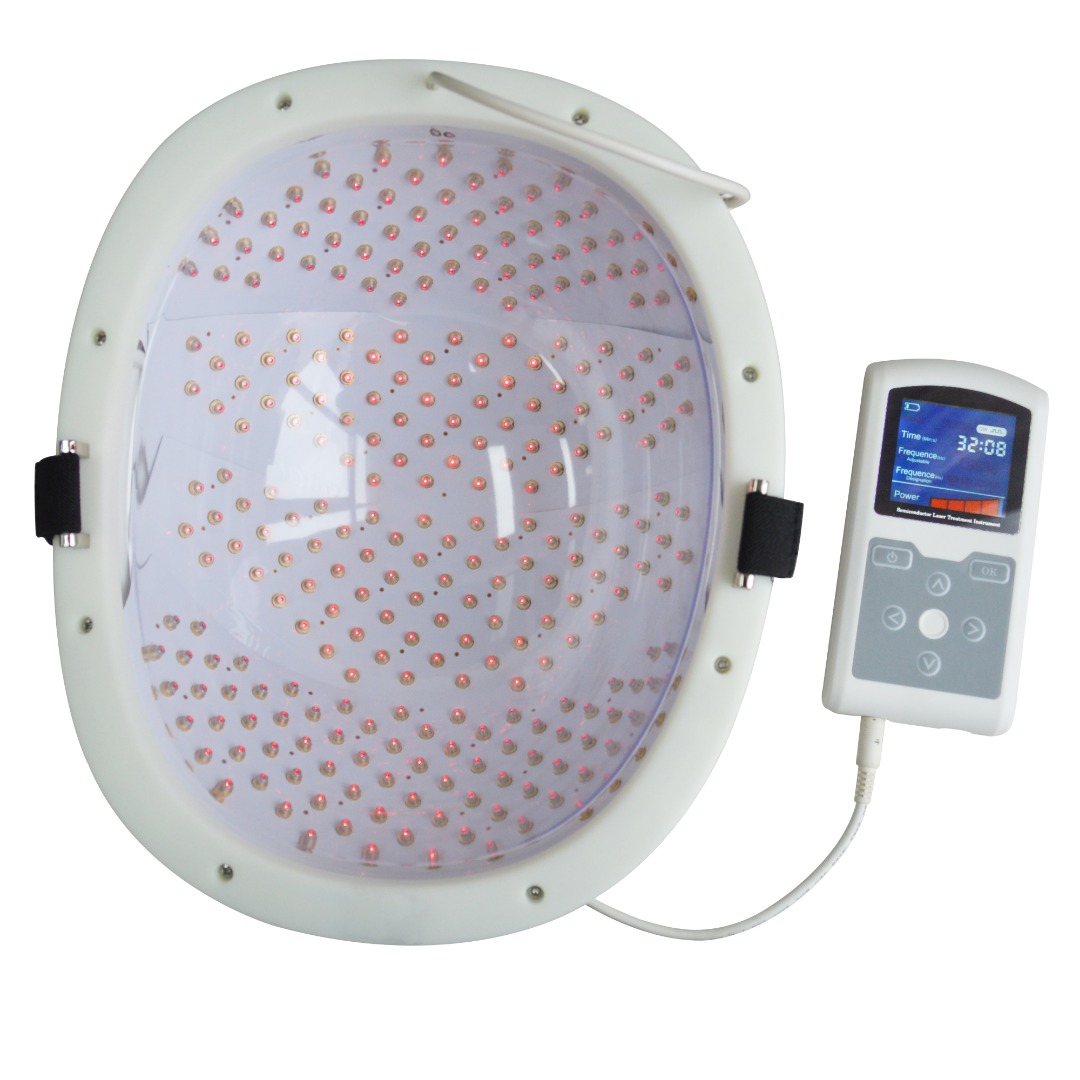
1.900,00 €
HOPE FOR DEMENTIA SUFFERERSio
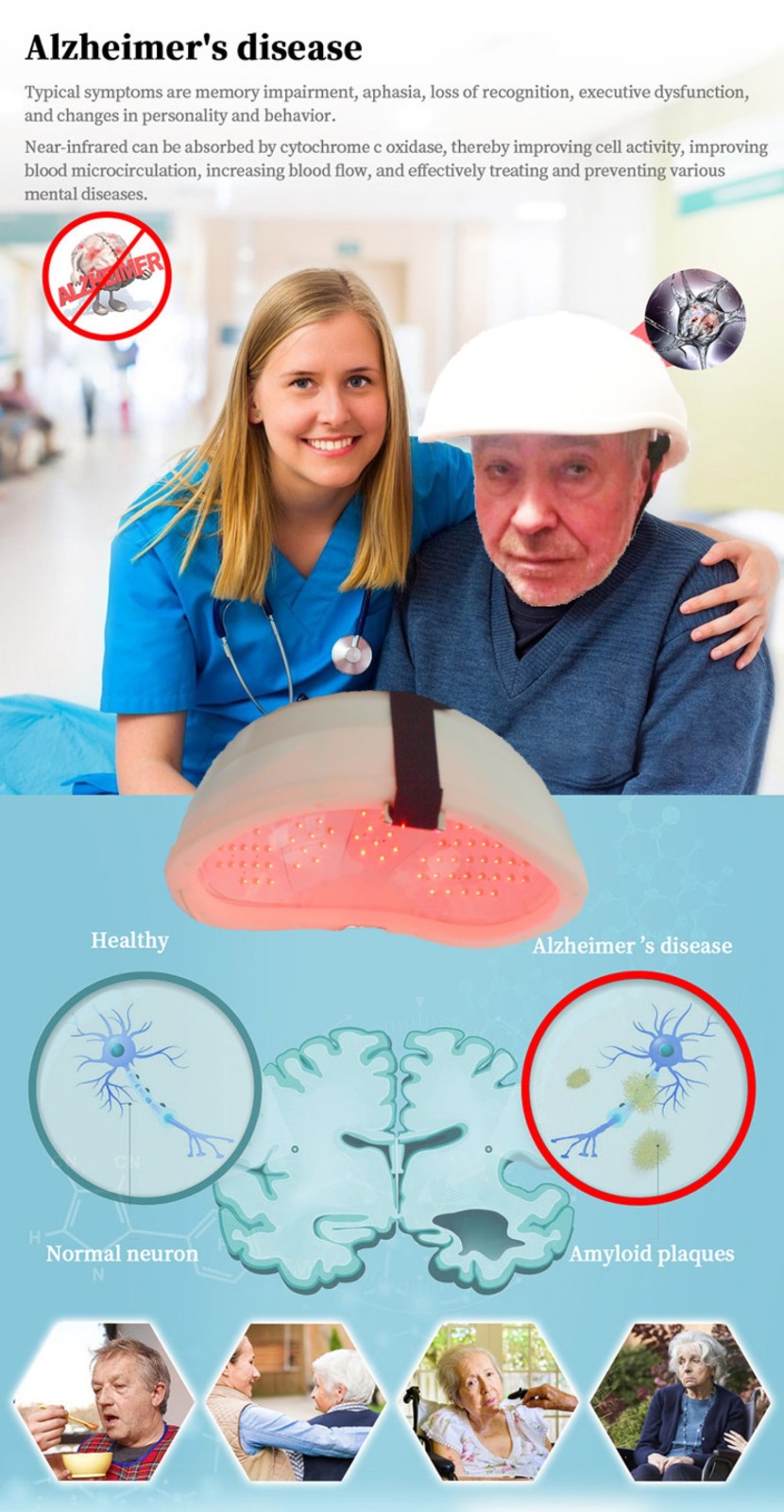
Due to global aging, the number of people with dementia is expected to double every 20 years. People with dementia generally require high levels of care, most of which is provided by informal caregivers (i.e. family and friends). The Centers for Disease Control reports that over 16 million Americans provide unpaid care for people with Alzheimer’s or other dementias. These informal caregivers, and the loved ones whom they help, are at an increased risk of depression and a variety of other comorbid health complications.
Even after many years of research, a drug has yet to be developed to benefit …neurodegenerative disorders (such as dementia, Alzheimer’s, and Parkinson’s).” The few drugs that are prescribed to help with dementia (cholinesterase inhibitors and memantine) work temporarily and can have significant side effects. However, there is growing evidence that supports the use of photobiomodulation as a treatment for dementia.
EVIDENCE OF PHOTOBIOMODULATION AS TREATMENT FOR DEMENTIA
In 2017, Photomedicine and Laser Surgery published a clinical trial on the effects of photobiomodulation therapy (PBMT). Five trial participants received PBMT daily for 12-weeks with a 4-week follow-up period. Each participant had been previously diagnosed with dementia or AD. The study used the Medical Mental State Exam (MMSE) and the Alzheimer’s Disease Assessment Scale (ADAS-cog) to measure the severity of each participant’s dementia at baseline and after 12 weeks of daily PBMT.
The study found that 12 weeks of daily PBMT significantly improved cognition, sleep and anxiety, and reduced the frequency of wandering as well as angry outbursts. In fact, one participant was excused from the 4-week, no-treatment period because he experienced a significant erosion of the positive effects of his 12-week PBMT. His regression was considered an undue hardship for him and his family, so the participant was permitted to continue daily PMBT. There were no adverse events reported.
Description
HOPE FOR DEMENTIA SUFFERERSio
Due to global aging, the number of people with dementia is expected to double every 20 years. People with dementia generally require high levels of care, most of which is provided by informal caregivers (i.e. family and friends). The Centers for Disease Control reports that over 16 million Americans provide unpaid care for people with Alzheimer’s or other dementias. These informal caregivers, and the loved ones whom they help, are at an increased risk of depression and a variety of other comorbid health complications.
Even after many years of research, a drug has yet to be developed to benefit …neurodegenerative disorders (such as dementia, Alzheimer’s, and Parkinson’s).” The few drugs that are prescribed to help with dementia (cholinesterase inhibitors and memantine) work temporarily and can have significant side effects. However, there is growing evidence that supports the use of photobiomodulation as a treatment for dementia.
Additional information
| Weight | 2,5 kg |
|---|

3 responses